
Scale model building is a rewarding hobby that allows enthusiasts to create detailed replicas of vehicles, buildings, and other objects. While assembling pre-made kits is enjoyable, many modelers seek to push the boundaries of creativity through scratch building and kitbashing. These techniques involve creating custom parts and modifying existing kits to produce unique, personalized models. In this blog, we’ll explore the essentials of scratch building and kitbashing, providing tips and insights to help you elevate your modeling skills.
What is Scratch Building?
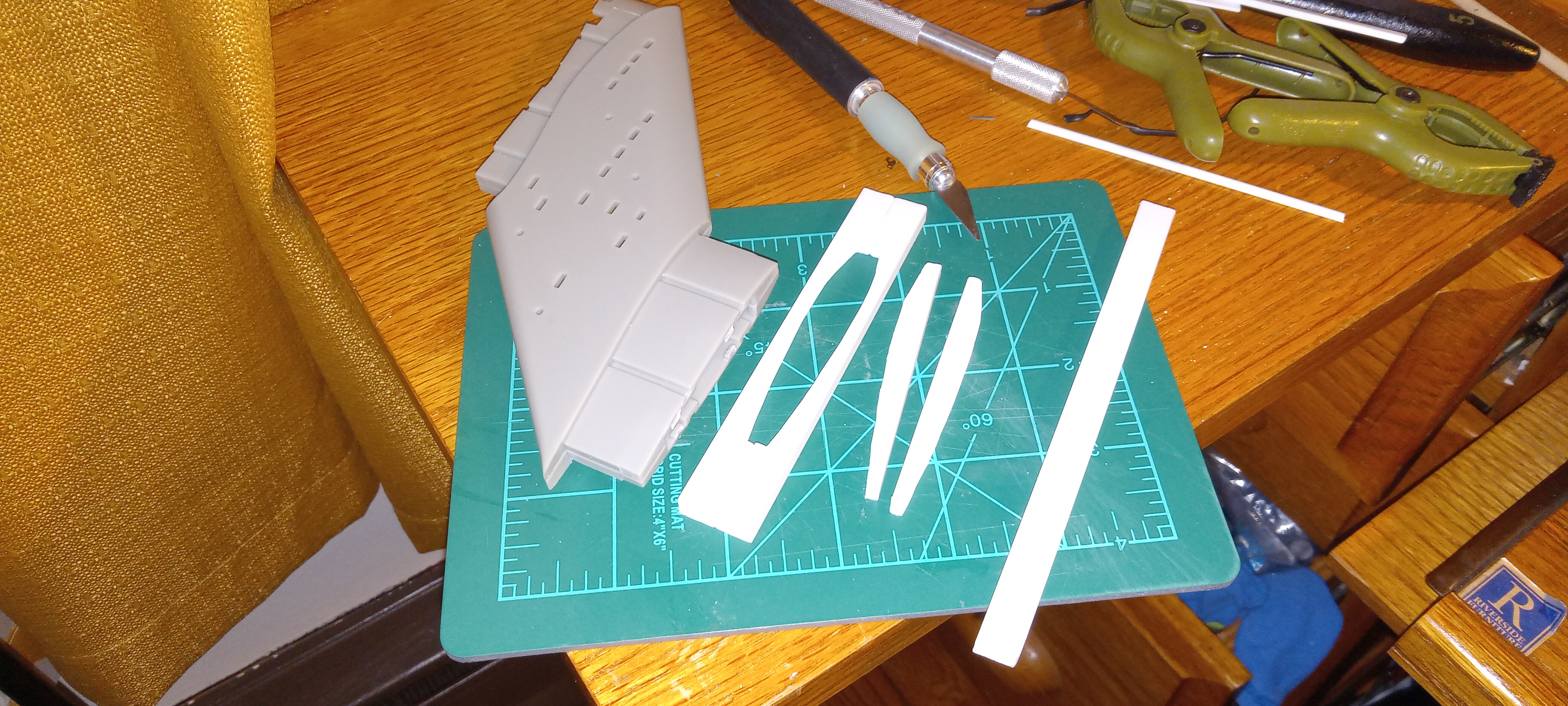
Scratch building is the art of creating models from raw materials rather than relying on pre-made kits. This technique allows modelers to craft unique components and structures that may not be available in commercial kits (example below). Common materials used in scratch building include styrene sheets, balsa wood, metal rods, and various types of plastic. The process often involves detailed planning, precise measurements, and a good understanding of the subject being modeled. Please see the example I have provided below of one of my models.

What is Kitbashing?
Kitbashing involves taking parts from multiple model kits and combining them to create a new, original model. This technique is popular among modelers who want to customize their builds and add a personal touch. Kitbashing encourages creativity and resourcefulness, as modelers must envision how different components can be repurposed and integrated into a cohesive design.
Essential Tools and Materials
To get started with scratch building and kitbashing, you’ll need a variety of tools and materials:
- Hobby knives and blades: For cutting and shaping materials.
- Files and sandpaper: For smoothing edges and surfaces.
- Precision measuring tools: Such as calipers and rulers for accurate measurements.
- Glue and adhesives: Suitable for different materials like plastic, wood, and metal.
- Styrene sheets and rods: Versatile materials for creating custom parts.
- Balsa wood: Lightweight and easy to work with for structural components.
- Putty and fillers: For filling gaps and creating smooth surfaces.
- Basic math: For down-scaling from life size (1:1 scale) to the size scale of your model (1:32, 1:72, 1:350, 1:700, etc.).
Techniques for Scratch Building
- Planning and Research: Before starting a scratch building project, gather reference materials such as photos, blueprints, and drawings. Plan your build by sketching out the design and determining the dimensions.
- Cutting and Shaping: Use hobby knives and saws to cut materials to the desired shape and size. Sand the edges to ensure a smooth finish.
- Assembly: Glue the components together, ensuring they are aligned correctly. Use clamps or weights to hold parts in place while the glue dries.
- Detailing: Add fine details using putty, styrene strips, and other materials. This step enhances the realism of your model.

Techniques for Kitbashing
- Selecting Kits: Choose kits that have parts you can repurpose for your project. Look for components that match the scale and style of your intended build. Click and search here to buy a kit.
- Disassembly: Carefully disassemble the kits, keeping track of the parts you want to use. Clean with mild soap and water and prepare the parts for assembly.
- Combining Parts: Experiment with different combinations of parts to achieve the desired look. Use glue and putty to secure and blend the components.
- Customization: Modify the parts as needed to fit your design. This may involve cutting, reshaping, or adding new details.
Tips for Success
- Be Patient: Scratch building and kitbashing require time and patience. Take your time to ensure each step is done correctly. Measure twice, cut once.
- Experiment: Don’t be afraid to try new techniques and materials. Experimentation can lead to unique and impressive results. AKA, have fun with it. Unleash your creativity at this point!
- Learn from Others: Join model building communities and forums to share your work and learn from other enthusiasts. You can gain valuable tips and inspiration from experienced modelers. I am part of the IPMS, International Plastic Modelers Society and my local chapter is Lehigh Valley in PA. Come join!
Conclusion
Scratch building and kitbashing are exciting ways to take your scale model building to the next level. By creating custom parts and modifying existing kits, you can produce unique models that showcase your creativity and skill. Whether you’re a beginner or an experienced modeler, these techniques offer endless possibilities for customization and personalization. Go explore your creativity and happy modeling!
Share!
Check out!


Leave a Reply